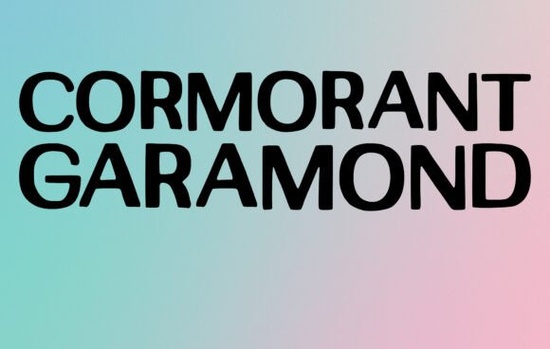
If you’ve been searching for a font that feels classic but still fresh, Cormorant Garamond might be exactly what your next project needs. It’s the kind of typeface that doesn’t shout for attention it just quietly does its job beautifully, whether you’re designing a wedding invitation or laying out a product label. The letterforms are crisp and elegant, with just enough character to stand out without overwhelming your layout.
What makes this font especially handy is how well it scales. Use it large for headlines or small for body copy it holds up in both cases. That versatility is rare, and it’s why so many designers keep coming back to it. If you’re tired of fonts that look great as titles but fall apart in paragraphs, give this one a try.
Where does Cormorant Garamond work best?
You’ll find this font shines in projects that need a touch of refinement. Think:
- Branding materials logos, business cards, packaging
- Social media graphics quote posts, banners, story overlays
- Print-on-demand items mugs, shirts, tote bags with minimal text
- Event stationery wedding invites, menus, programs
- Editorial layouts magazines, blogs, newsletters
It’s not the only option if you’re going for bold impact something like Chunky Texture might suit louder designs better. But when you want elegance with readability, Cormorant Garamond delivers without fuss.
How does it compare to other serif fonts on Creative Fabrica?
There’s no shortage of serif options, but not all of them balance tradition and modern use as smoothly. For example, College Black leans into vintage collegiate energy, while Retro Script brings playful flair. Cormorant Garamond sits in that sweet spot where it can feel formal or casual depending on how you style it.
If you’re pairing it with another font, consider contrasting it with a clean sans-serif or even a hand-drawn script like Retro Kids for a fun-but-classy combo. You could also try layering it with display fonts such as Sunspell when you need hierarchy say, a decorative headline over a Cormorant Garamond subhead.
Is it beginner-friendly?
Absolutely. Even if you’re new to typography, this font won’t trip you up. There are no overly ornate swashes or tricky ligatures to manage unless you want them. The regular weight is clear and readable right out of the box, and the family includes several weights (Light, Regular, Medium, SemiBold, Bold) so you can create visual contrast without switching typefaces.
Small business owners and crafters especially appreciate how easy it is to drop into templates. Whether you’re using Canva, Photoshop, or Silhouette Studio, the letters render cleanly at any size. No pixelation, no weird spacing issues just consistent, professional results.
Any tips for getting the most out of it?
Here’s what experienced users tend to do:
- Use generous leading especially in body text, a little extra space between lines helps the serifs breathe.
- Try all caps sparingly it works for short headlines but can feel stiff in longer blocks.
- Pair with simple backgrounds textured or busy patterns can compete with the fine details in the letterforms.
- Test print sizes if you’re putting it on physical products, make sure smaller point sizes stay legible under real-world conditions.
And if you’re curious about the design history behind it, you can read more about the original inspiration at Cormorant Garamond.
Who should skip this font?
If your project calls for something ultra-modern, grungy, or cartoonish, this probably isn’t your pick. It’s rooted in traditional book typography, so it won’t give you the edge of a distressed stencil or the bounce of a comic font. But that’s okay not every design needs to scream. Sometimes, whispering with class is more effective.
Also, if you’re working on signage meant to be read from far away, you might want something heavier and wider. Cormorant Garamond’s thinner strokes can get lost at distance unless you bump up the weight or size significantly.
Quick checklist before you download:
- ✅ Do you need elegance + readability?
- ✅ Will it be used for both headings and body text?
- ✅ Are you pairing it with a complementary display or script font?
- ✅ Have you checked how it looks at your intended output size?
If you answered yes to most of those, go ahead and grab it. It’s one of those fonts you’ll end up using again and again not because it’s trendy, but because it simply works.
Get Started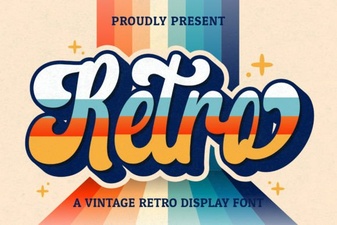 Elevate Your Design with Vintage Retro Script Fonts
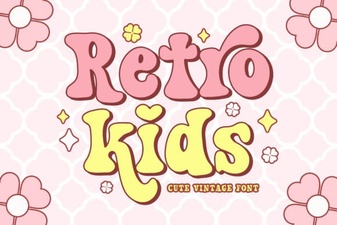 Crafting Projects with Retro Kids Font Styles
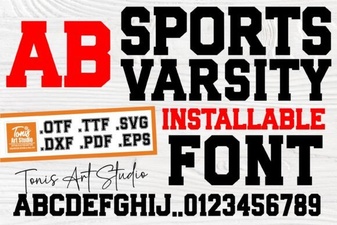 Varsity Fonts for Sports Team Branding
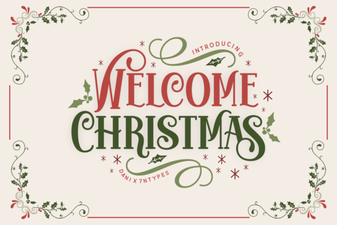 Festive Holiday Typography Ideas for Creative Projects
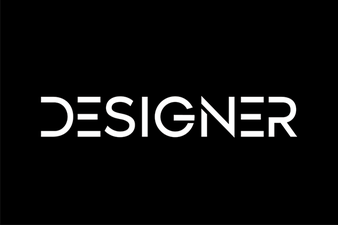 Designer Fonts: Creative Style for Your Projects
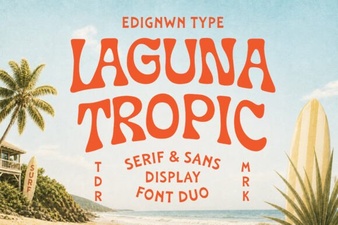 Laguna Tropic Font for Vacation Poster Designs