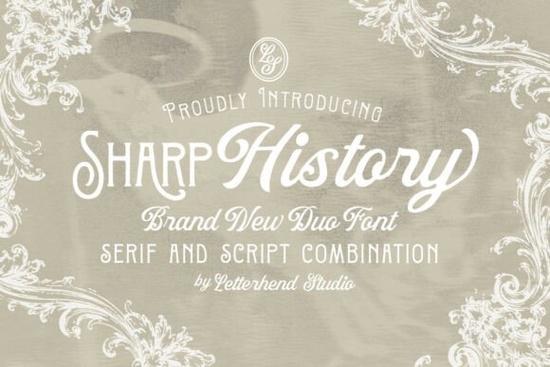
If you’re looking for a font that brings warmth, character, and a touch of vintage elegance to your designs, Sharp History Font is worth a closer look. It’s not just another decorative typeface it’s a thoughtfully paired duo: one part serif with ornamental flair, one part flowing script that feels handwritten and personal. Whether you’re designing wedding invites, branding a small shop, or crafting greeting cards, this pair gives you flexibility without sacrificing style.
What makes this font duo stand out for real-world projects?
The strength of Sharp History lies in how the two fonts work together. The serif isn’t overly stiff it has subtle curves and tiny flourishes that nod to classic typography without feeling outdated. Pair it with the script, which moves like ink on paper, and you’ve got contrast that feels intentional, not forced. You can use them separately, but they truly shine when layered think headers with the serif and subheadings or names in the script.
It’s especially useful if you’re creating:
- Wedding stationery the script adds intimacy; the serif grounds it with formality.
- Product packaging vintage charm sells well for handmade goods, candles, teas, or boutique cosmetics.
- Editorial layouts pull quotes in script, body text in serif (or vice versa) for visual rhythm.
- Social media graphics the pairing helps small businesses stand out with personality.
How does it compare to other serif fonts on Creative Fabrica?
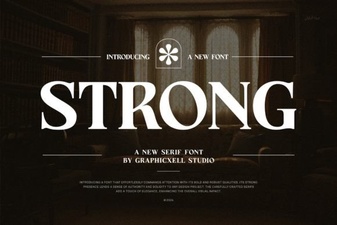
If you’ve browsed Creative Fabrica’s serif collection, you’ve probably seen Medvilea, which leans more editorial and clean, or Strong, which is bold and modern. Sharp History sits comfortably between them not as minimal as Medvilea, not as heavy as Strong. It’s ideal when you want something with character but don’t want to overwhelm your layout.
Designers who’ve used all three often say Sharp History fills a gap: it’s decorative enough to feel special, but restrained enough to remain readable at smaller sizes. That balance is rare and valuable if you’re making items meant to be printed or viewed on screen.
Can I use this for commercial projects?
Yes. Like most fonts on Creative Fabrica, Sharp History comes with a commercial license. That means you can use it for client work, POD products (like mugs, shirts, or tote bags), logos, and even digital templates you plan to sell. Just make sure you’re downloading from a legitimate source always check the license tab on the product page to confirm usage rights.
One thing to note: while you can embed the font in PDFs or rasterized images for sale, you can’t redistribute the font file itself. So if you’re selling design templates, convert text to outlines or flatten layers before distributing.
What file formats are included?
You’ll typically get:
- .OTF and .TTF files for both the serif and script styles
- Webfont versions (.woff, .woff2) if you plan to use it online
- A PDF guide showing glyphs, alternates, and stylistic sets
The script version includes OpenType features like contextual alternates and ligatures, so if your software supports it (Adobe apps, Affinity, etc.), you’ll get smoother connections between letters. Even without those features, it still looks great the basic version holds up beautifully in Canva, Silhouette Studio, or Cricut Design Space.
Who should consider downloading this font?
This isn’t a font for every project and that’s okay. It’s perfect if you’re:
- A small business owner wanting to add personality to your brand without hiring a designer.
- A POD seller looking for fonts that photograph well on physical products.
- A stationery designer who needs elegant pairings for invitations or thank-you cards.
- A craft enthusiast making vinyl decals, embroidery patterns, or printable art.
It’s also beginner-friendly. You don’t need advanced typography skills to make it look good. Just pick one font for headlines, the other for accents, and let the natural contrast do the work.
Quick tips before you download
Before you grab Sharp History, here’s what to keep in mind:
- Test readability. Try typing your actual content long names or certain letter combinations might need manual kerning.
- Pair with simple sans-serifs. If you need body text, choose something neutral like Montserrat or Lato to avoid visual clutter.
- Check the glyph set. Make sure it includes the symbols or accented characters you need for your language.
- Preview in context. Upload a sample to your design tool before committing sometimes fonts look different once placed in your layout.
Fonts like this don’t come around often ones that feel both nostalgic and fresh, detailed but not fussy. If your next project needs a little soul, Sharp History delivers without demanding perfection.
Learn More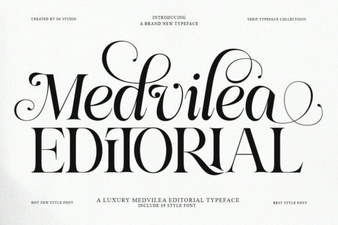 Editorial Fonts: Design Creativity & Free Download Tips
 Powerful Typography for Web Design and Usability
 Elevate Your Design with Vintage Retro Script Fonts
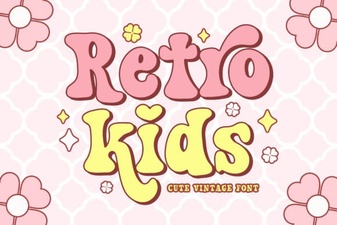 Crafting Projects with Retro Kids Font Styles
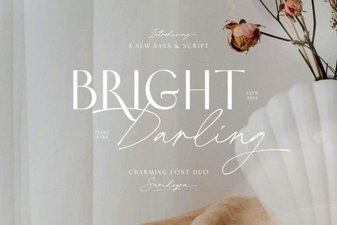 Bright Darling Duo: Creative Font Pairing Guide
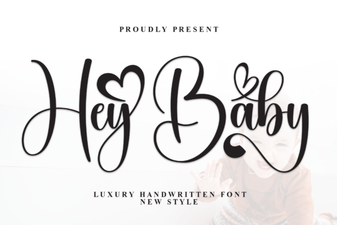 Hey Baby Font: a Fun & Creative Design Resource